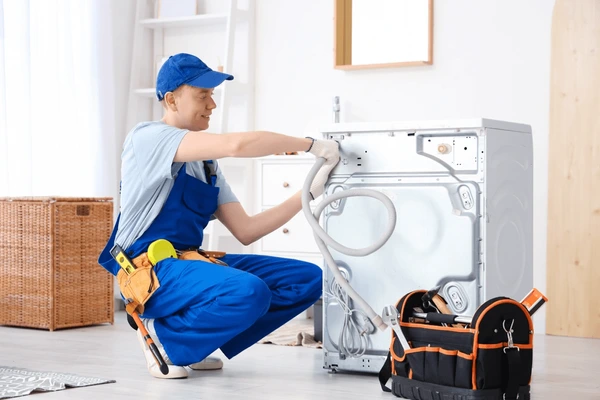
Washer & Dryer Repair in Wilmington, MA
Appliance Repair for Homes & Businesses in Wilmington, Massachusetts and Nearby Areas
Washer and Dryer Repair in Wilmington, Massachusetts | Appliance Repair Pros
Washer and Dryer Repair in Wilmington, Massachusetts, is essential for maintaining the rhythm of a busy household. When your laundry appliances fail, the impact is immediate and frustrating. Piles of dirty clothes accumulate, or wet laundry sits stagnant in the washer, leading to odors and inconvenience. At Appliance Repair Pros, we assist homeowners in Wilmington and neighboring communities like Tewksbury, Reading, and Andover by providing prompt and professional laundry appliance solutions. We know that hauling heavy baskets to a laundromat is not a viable long term solution for most families.
Our technicians encounter a wide array of symptoms in local laundry rooms. You might be dealing with a washing machine that refuses to drain, a dryer that tumbles but never heats up, excessive vibration that shakes the whole house, or mysterious puddles appearing on the floor. In Wilmington, we see everything from compact stackable units in condos to heavy duty capacity machines in large family homes. We are familiar with the challenges of second floor laundry setups and the specific plumbing requirements involved. We treat your home with care, using protective mats and ensuring we leave the laundry area cleaner than we found it. Our diagnostic approach is thorough, aiming to identify the mechanical or electrical failure accurately so we can fix it right the first time.
Contact us today.
Washer and Dryer Repair Services in Wilmington
Modern laundry appliances are sophisticated machines that rely on a balance of mechanics, electronics, and sensors. Repairing them requires a technician who understands both water dynamics and airflow principles. We provide a complete assessment of your laundry pair. We do not just listen to the noise; we inspect the drive systems, the suspension, and the ventilation to ensure optimal performance.
Washer and Dryer systems we work on:
- Top loading washing machines with agitators or impellers
- Front loading high efficiency washers
- Gas dryers (natural gas and propane)
- Electric dryers (240 volt systems)
- Stackable laundry units and laundry centers
- Compact and ventless dryers
- All in one washer dryer combos
- Pedestal mounted units
What makes laundry repair tricky:
- Direct drive motors in modern washers use complex magnetic fields and inverters
- Gas dryers require careful calibration of the valve coils and flame sensor
- Front load washer bearings are pressed into the tub assembly and difficult to access
- Dryer venting paths hidden in walls can create back pressure that mimics machine failure
- Lid locks and door switches must align perfectly for the control board to authorize operation
- Suspension rods and springs must be balanced exactly to prevent “walking”
- Moisture sensors in dryers can become coated with dryer sheet residue
Common Washer and Dryer Problems We Fix
Laundry issues tend to fall into specific categories. We have outlined the most frequent problems we see in Wilmington homes to help you identify what is happening with your equipment.
Washer Will Not Drain
You open the lid after the cycle should be done, only to find the clothes floating in a tub full of soapy water. This is one of the most common service calls we receive. It prevents the clothes from spinning dry and can leave a mess if you try to remove the laundry manually.
Likely causes:
- Small items like socks or baby clothes stuck in the drain pump
- Failed drain pump motor
- Broken lid switch preventing the drain cycle
- Clogged drain hose or standpipe
- Obstructed coin trap or debris filter
- Control board failure
How we diagnose it:
We listen for the sound of the pump trying to run. If it hums but does not move water, it is likely jammed. We clamp off the hoses and inspect the pump housing for debris. We also check the voltage reaching the pump to rule out an electrical issue.
What you can do right now:
Check the drain hose behind the washer to ensure it is not kinked or crushed against the wall. If your washer has a front access filter door, place a shallow pan underneath and carefully unscrew the filter to check for coins or buttons blocking the flow.
Dryer Is Not Heating
The drum spins, the lights work, but the clothes come out cold and damp after an hour. A dryer without heat is essentially just a large fan. This issue occurs in both gas and electric models but for different reasons.
Likely causes:
- Burnt out heating element (electric)
- Failed gas valve solenoids (gas)
- Blown thermal fuse due to overheating
- Defective igniter or flame sensor
- Tripped circuit breaker (one leg of the 240v power)
- Timer or control board failure
How we diagnose it:
For electric dryers, we test the element for continuity. For gas dryers, we observe the ignition sequence to see if the igniter glows and if the gas valve clicks open. We always check the thermal fuse, as it is a safety device that cuts heat if the vent is clogged.
What you can do right now:
Check your home circuit breaker. Electric dryers have a double breaker; if only half trips, the motor will run but the heater will not. Ensure the gas supply valve is fully open if you have a gas unit.
Washer Is Leaking Water
Finding a puddle of water near your washing machine is stressful, especially if your laundry room is on an upper floor. Leaks can damage flooring and drywall rapidly. The leak might appear during the fill cycle, the wash cycle, or the drain cycle.
Likely causes:
- Worn or torn door boot seal (front loaders)
- Loose or corroded water inlet hoses
- Crack in the drain pump housing
- Tub seal failure
- Oversudsing from using too much detergent
- Pressure switch tube disconnected
How we diagnose it:
We dry the floor completely and then run a test cycle while inspecting the internal components with a flashlight. We look for drip trails on the back of the cabinet or near the pump. We examine the door gasket for small tears caused by zippers or sharp objects.
What you can do right now:
Turn off the water supply valves behind the washer immediately. Check the connection points where the hoses meet the wall and the machine. Verify you are using HE (High Efficiency) detergent if required, as regular soap creates excess foam that pushes water out of the vents.
Dryer Making Loud Noises
A dryer should produce a steady hum. If it starts sounding like a bag of rocks, a squealing bird, or a rhythmic thumping, something is mechanically wrong. Continuing to run a noisy dryer can lead to catastrophic drum failure.
Likely causes:
- Worn out drum support rollers
- Idler pulley bearing failure
- Broken or frayed drive belt
- Worn drum glides or slides
- Loose blower wheel
- Object caught in the blower housing
How we diagnose it:
We disassemble the cabinet to inspect the support system. We spin the rollers by hand to check for rough bearings. We examine the belt for signs of shredding. We also check the blower wheel for foreign objects like pens or coins that might be rattling around.
What you can do right now:
Check the inside of the drum for loose items like coins or zippers hitting the metal. If the noise is a high pitched squeal, stop the machine to prevent the belt from snapping or wearing a groove into the motor pulley.
Washer Won’t Spin or Agitate
The machine fills and drains, but the clothes are soaking wet because the final spin never happened. Or, the clothes are not clean because the agitation cycle failed. This renders the machine useless for cleaning.
Likely causes:
- Broken lid switch or door lock
- Worn drive belt
- Failed motor coupling
- Shift actuator failure
- Motor control board issue
- Worn clutch assembly
How we diagnose it:
We bypass the lid switch to see if the motor engages. We inspect the belt tension and the condition of the motor coupler. On modern machines, we check the error codes to see if the shifter is failing to engage the spin gear.
What you can do right now:
Ensure the load is balanced. If all the heavy towels are on one side, the machine may detect the imbalance and abort the spin cycle to prevent damage. Redistribute the clothes and try the “Drain and Spin” cycle.
Dryer Takes Too Long to Dry
If you have to run the dryer two or three times to get a single load dry, you are wasting energy and time. This is often an airflow issue rather than a mechanical failure of the dryer itself, but the machine needs to be inspected to be sure.
Likely causes:
- Clogged dryer vent duct in the wall
- Lint buildup inside the dryer cabinet
- Blower wheel obstructed with lint
- Moisture sensor coated with chemical residue
- Cycling thermostat failing
How we diagnose it:
We measure the temperature of the air coming out of the exhaust. We check the strength of the airflow. If the dryer heats up but the air flow is weak, the issue is likely a restriction. We also clean the moisture sensors to ensure they are reading the dampness of the clothes accurately.
What you can do right now:
Clean the lint screen thoroughly. Check the flexible vent hose behind the dryer to ensure it is not crushed. Go outside and check the vent hood to make sure the louvers open when the dryer is running.
Washer Shaking and Vibrating Violently
If your washer sounds like it is trying to walk through the wall during the spin cycle, it is a balance and suspension issue. This can be loud enough to be heard by neighbors and can damage the machine’s internal structure.
Likely causes:
- Failed suspension rods or springs
- Worn damper pads or snubber ring
- Broken spider arm bracket on the inner tub
- Machine not leveled properly
- Shipping bolts not removed (on new installs)
How we diagnose it:
We push down on the tub to test the rebound of the suspension rods. We remove the panels to inspect the springs and dampers. We check the level of the machine front to back and side to side.
What you can do right now:
Check the feet of the washer. If the machine rocks when you push on a corner, adjust the leveling legs until it is solid on the floor. Ensure the load is not grouped into a single heavy ball of sheets.
Washer Smells Like Mildew
A washing machine is supposed to clean clothes, not make them smell musty. Front load washers are particularly prone to developing mold and mildew odors if moisture is trapped inside.
Likely causes:
- Mold growth in the door gasket folds
- Soap scum buildup in the outer tub
- Clogged drain filter holding stagnant water
- Improper drain installation causing backflow
How we diagnose it:
We inspect the boot seal for black mold spots. We check the drain install height. We recommend a cleaning procedure or gasket replacement depending on the severity of the mold.
What you can do right now:
Leave the door open between loads to allow the interior to dry. Wipe down the gasket after every wash. Run a hot cycle with bleach or a specialized washer cleaner tablet.
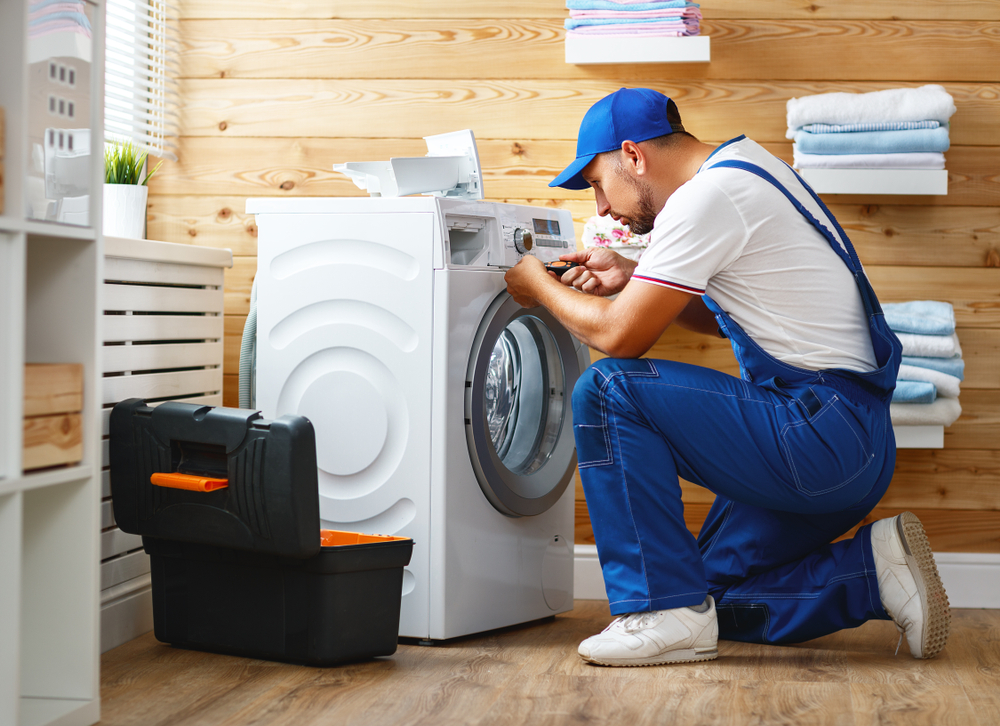

Safety Notes for Washer and Dryer Issues
Laundry appliances combine high voltage electricity, water, and combustible gas (for gas dryers). This triad of elements presents significant safety risks if handled improperly. We prioritize the safety of your home and family during every repair.
Please review this safety checklist:
- If you smell a strong gas odor near your dryer, leave the house immediately and call the gas company or fire department. Do not unplug the unit or flip any switches, as a spark could ignite the gas.
- If your washer is leaking water and standing in a puddle, do not step in the water to unplug it. Go to your main circuit breaker panel and cut the power to the laundry room first to avoid electrocution.
- If your dryer feels extremely hot to the touch or smells like it is burning, stop using it immediately. This could indicate a vent clog that is trapping heat, creating a serious fire hazard.
- If you hear a loud cracking sound from a front load washer, the internal spider bracket may have broken. Continuing to run it can cause the metal drum to slice through the plastic outer tub, causing a massive flood.
- Never bypass the lid switch or door lock. These safety mechanisms exist to prevent injuries from the high speed spinning drum.
Brands We Service for Washer and Dryer Repair in Wilmington
We service all major brands of laundry equipment. From heritage brands that have been in homes for decades to the latest smart appliances, our technicians have the training and diagrams to fix them all. We group them by manufacturer to ensure we apply the correct service protocols.
Whirlpool Family and Similar Designs
This includes Whirlpool, Maytag, Amana, and Roper. These are the most common units we see. Maytag units often share internal components with Whirlpool but may have sturdier commercial grade styling. The “Vertical Modular Washer” (VMW) design is very popular and has specific drive belt calibration needs.
Common issues we see with these models:
- Shift actuators failing to switch from wash to spin
- Lid locks blinking and preventing the cycle from starting
- Dryer rollers wearing out causing a rumbling noise
- Control boards failing on the “Cabrio” or “Bravos” style units
Correct diagnosis is critical because the error codes on these units can sometimes be triggered by a simple loose wire rather than a failed part.
GE Family
General Electric and Hotpoint washers and dryers are known for their specific front load venting systems and robust top loaders. The newer “UltraFresh” vent system front loaders have unique parts designed to prevent odors.
Common issues we see with these models:
- Inverter board failures on top load motors
- Door boots leaking on older front loaders
- Dryer knobs stripping out
- Rear bearing failures on dryers
We carry the specific “hydrowave” motor components often needed for GE top loaders.
Samsung and LG
These Korean brands dominate the front load market with high tech features. They use Direct Drive motors that are attached directly to the drum, eliminating the belt. They are quiet and efficient but electronically complex.
Common issues we see with these models:
- Drain pumps failing and causing OE or 5E codes
- Washer tub bearings failing, sounding like a jet engine
- Dryer heating element coils sagging and touching the housing
- Door latches breaking on front loaders
We are experienced in the deep disassembly often required to reach the pumps and sensors on these stacked units.
Frigidaire and Electrolux
Electrolux front loaders are known for their second floor vibration guarantee, meaning their suspension systems are quite sophisticated. Frigidaire laundry centers (stacked one piece units) are common in apartments and condos.
Common issues we see with these models:
- Door lock wax motors failing
- Dryer belts snapping due to tensioner pulley failure
- Control board interface issues
- Lint buildup inside the blower housing
Diagnosing the stacked laundry centers requires specific knowledge of how to access the middle control panel area.
Understanding Common Washer and Dryer Error Codes
When your appliance stops working, it often gives you a digital clue. These codes are not always 100% accurate, but they guide us to the right system to test.
- F01 or E01 (Whirlpool): Main control board failure or communication error.
- F5 E1 (Whirlpool): Lid switch fault. The machine cannot lock the lid.
- dE (Samsung/LG): Door Error. The door is not latched or the switch is broken.
- UE or uL (Samsung/LG/Whirlpool): Unbalanced Load. The washer cannot spin because the clothes are clumped together.
- OE (LG) or 5E/nd (Samsung): Drain error. The washer detects water in the tub that should have drained out.
- IE (LG) or 4E/nF (Samsung): Water supply error. The washer is not filling fast enough.
- HE (Dryers): Heating Error. The dryer is not getting hot or is getting too hot.
- F7 E1 (Whirlpool): Speed sensor error. The motor is not spinning at the correct speed.
Maintenance Tips for Washer and Dryer Owners in Wilmington
Routine maintenance is the best way to avoid a service call. A few simple habits can extend the life of your laundry pair significantly.
First, clean the dryer lint trap after every single load. No exceptions. A clogged screen restricts airflow, causing the dryer to overheat and work twice as hard. Also, inspect the outside vent hood periodically to make sure birds haven’t built a nest in it.
Second, use the correct amount of detergent. Wilmington homeowners often have varying water hardness, but modern HE machines need very little soap. Two tablespoons is often enough. Excess soap builds up on the internal parts, causing mold and damaging seals.
Third, check your fill hoses. If you have black rubber hoses, they should be replaced every 5 years. We recommend upgrading to stainless steel braided hoses which are burst resistant. This is especially important for second floor laundry rooms to prevent catastrophic water damage.
Fourth, leave the washer door ajar. After you finish laundry for the day, leave the lid or door open to let the residual moisture evaporate. This prevents the “gym bag” smell from developing.
Finally, level your machines. If you move the washer to clean behind it, make sure you relevel it when you put it back. An unlevel machine wears out its suspension components much faster.
Service Area for Washer and Dryer Repair in and Around Wilmington, Massachusetts
We are a local business dedicated to serving the residents of Wilmington and the surrounding towns in the Merrimack Valley and North Shore area. We know the neighborhoods and we know the traffic, allowing us to plan our routes efficiently to get to you sooner.
We serve the following communities:
- Wilmington
- Tewksbury
- Reading
- North Reading
- Andover
- North Andover
- Wakefield
- Burlington
- Woburn
- Billerica
Zip codes we serve: 01887
Frequently Asked Questions
Is it worth repairing a washer that is 10 years old?
It depends on the specific problem. If it is a simple repair like a lid switch or a water valve, it is usually worth it. However, if the transmission or the main control board has failed on a 10 year old machine, the cost might approach the price of a new unit. We provide a clear assessment so you can decide if you want to invest in the repair or put that money toward a replacement.
Why is my dryer getting hot but not drying the clothes?
This is almost always an airflow issue. The dryer is creating heat, but the moist air cannot escape the drum because the vent duct is clogged with lint. This leaves the moisture trapped with the clothes. We recommend having your dryer vent line cleaned professionally to solve this issue and reduce fire risk.
Do you work on stacked washer dryer units?
Yes, we service stackable units and “laundry centers” (where the washer and dryer are one single piece). These units are common in condos and apartments. They can be more difficult to access, but our technicians are trained to pull them out and service them safely.
Do you have a washer repair tech near me?
Yes, our technicians are locally based and service Wilmington daily. We do not dispatch from a far away call center. We are your neighbors and we are nearby, which helps us offer flexible scheduling options to fit your busy life.
Can I use regular detergent in my HE washer?
No, you should not. Regular detergent creates too many suds for a High Efficiency machine. The machine will try to rinse the suds away by adding more water and extending the cycle, or the suds may overflow and damage the electronics. Always look for the “HE” symbol on the detergent bottle.
What is causing the small holes in my t-shirts?
Small holes can be caused by the washer or the dryer. In a washer, it might be a rough spot on the drum or a piece of the agitator that has cracked. In a dryer, it could be a worn felt seal allowing clothes to get pinched between the drum and the bulkhead. We can inspect both units to find the sharp edge causing the damage.
Why does my washer shake so much?
Shaking is usually caused by an unbalanced load, unlevel feet, or worn suspension rods. If the machine is on a wooden floor on the second story, vibration is amplified. We can check the suspension components and ensure the machine is perfectly level to minimize the movement.
Do you repair gas dryers?
Yes, we repair both natural gas and liquid propane (LP) dryers. Working with gas appliances requires specific safety training which our technicians possess. We can safely diagnose ignition issues, valve failures, and flame sensor problems.
How often should I clean my dryer vent?
It is recommended to clean the dryer vent ductwork leading outside at least once a year. If you have a large family and do laundry daily, or if your vent run is very long with many elbows, you may need to do it every six months. This is the single most important safety step you can take.
My washer won’t finish the cycle. What is wrong?
If the washer stops mid cycle, it could be a draining issue (it won’t spin if it can’t drain) or a cold water supply issue (it pauses waiting for water). It could also be a control board glitch. We can run a diagnostic mode to see exactly where the cycle halted and why.
Conclusion
At Appliance Repair Pros, we understand that broken laundry appliances throw a wrench into your weekly routine. Whether you have a washer leaking onto the floor or a dryer that leaves clothes damp, we are here to provide the solution. Serving Wilmington and the surrounding areas, we bring expertise, honesty, and professional care to every job. We aim to get your laundry room back up and running quickly so you can focus on more important things than washing clothes by hand.
Reach out to us for assistance.