Expert Dishwasher Repair in Wilmington, MA
Appliance Repair for Homes & Businesses in Wilmington, Massachusetts and Nearby Areas
Dishwasher Repair in Wilmington, Massachusetts | Appliance Repair Pros
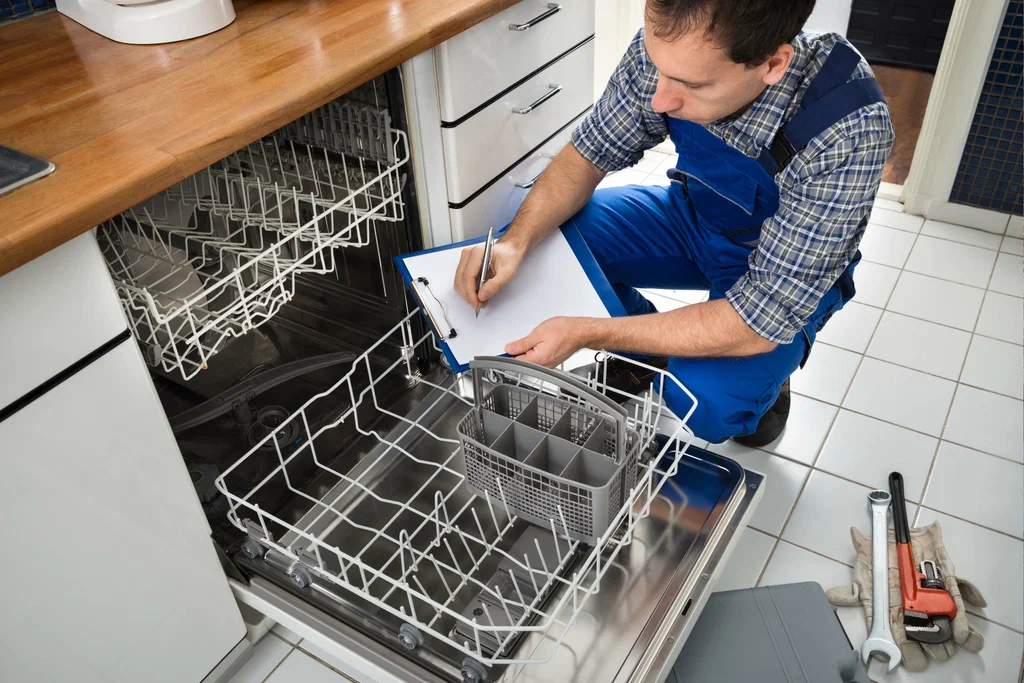
Dishwasher Repair in Wilmington, Massachusetts, is a vital service for keeping your kitchen running smoothly and keeping sanitation standards high. When your dishwasher stops working, dirty dishes pile up quickly, creating a messy kitchen and disrupting your evening routine. At Appliance Repair Pros, we help homeowners in Wilmington and the surrounding communities, including Tewksbury, Reading, Andover, and North Reading, restore the convenience of their modern kitchens. We understand that a broken dishwasher is more than just an annoyance. It is a disruption to your daily life.
Our team sees a wide range of issues that affect dishwasher performance. You might be dealing with a unit that is not draining properly, dishes coming out dirty or spotted, water leaking onto your kitchen floor, loud grinding noises during the wash cycle, or a control panel that refuses to respond. In an area like Wilmington where homes range from historic properties to modern developments, we encounter various plumbing setups and water conditions that can influence appliance longevity. We approach every job with a commitment to careful diagnostics and respectful work habits. We protect your floors and counters while we work. Our technicians focus on finding the root cause of the problem to provide a lasting solution rather than a temporary patch.
Contact us today.
Dishwasher Repair Services in Wilmington
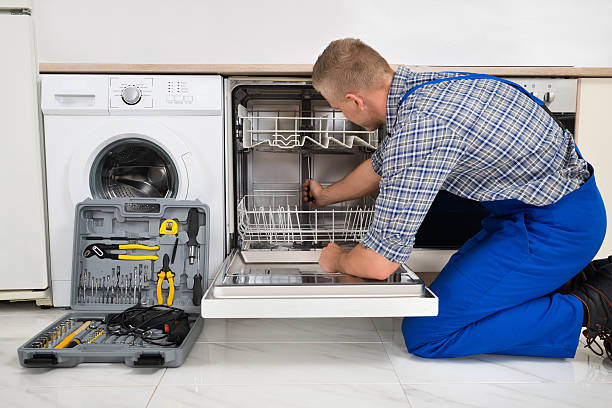
A dishwasher is a complex combination of plumbing, electrical, and mechanical systems working in harmony. When one component fails, the entire cycle is compromised. Our service is designed to address every aspect of dishwasher operation. We do not just swap parts. We analyze the water flow, the heating cycle, and the drainage system to ensure your machine operates as intended. We work on all configurations found in Wilmington homes.
Dishwasher systems we work on:
- Standard built in under the counter units
- Drawer dishwashers including single and double drawer models
- Portable or rolling dishwashers
- Top control models with hidden buttons
- Front control units with visible displays
- Stainless steel tub and plastic tub models
- Smart dishwashers with Wi-Fi connectivity
- Compact and apartment sized units
What makes dishwasher repair tricky:
- Turbidity sensors that detect soil levels can fail and cause cycle errors
- Electronic control boards often misinterpret voltage spikes as mechanical failures
- Circulation pumps often have integrated heating elements that are difficult to access
- Diverter motors that direct water to different spray arms are prone to clogging
- Door switches and latches utilize microswitches that can burn out silently
- Drain pumps must overcome gravity and plumbing air gaps to function
- Inlet valves can become restricted by sediment or hard water deposits
Common Dishwasher Problems We Fix
Homeowners in Wilmington often encounter similar signs of trouble. We have detailed the most frequent issues below so you can better understand what might be happening with your appliance.
Dishes Coming Out Dirty or Spotted
You run a full cycle only to find food particles baked onto plates or a cloudy film on your glasses. The dishes may feel gritty to the touch or look worse than when you put them in. This defeats the purpose of the appliance and forces you to wash everything by hand. It usually indicates that water is not circulating with enough force or that the water temperature is too low to dissolve detergent effectively.
Likely causes:
- Clogged spray arm holes blocking water jets
- Broken or stripped chopper blade failing to grind food
- Circulation pump impeller damage reducing water pressure
- Burned out heating element preventing hot water cycles
- Malfunctioning inlet valve not letting enough water in
- Detergent dispenser door failing to open
How we diagnose it:
We verify the water temperature inside the tub to ensure it reaches the necessary heat for sanitation. We inspect the spray arms for rotation and clear any debris from the jet holes. We also listen to the circulation pump to ensure it is generating adequate pressure. Checking the filters and the chopper assembly allows us to see if debris is recirculating onto the dishes.
What you can do right now:
Check the spray arms to ensure they spin freely and are not blocked by tall plates. Clean the manual filter at the bottom of the tub to remove trapped food particles. Run the hot water at your kitchen sink before starting the dishwasher to ensure the cycle starts with hot water.
Dishwasher Not Draining Water
Opening the dishwasher door to find a pool of gray, standing water at the bottom of the tub is a very common issue. This standing water can develop a bad odor quickly and may leak out if the door seal is not perfect. It indicates that the water used during the cycle is unable to exit the machine, preventing the cycle from finishing and leaving dishes unsanitary.
Likely causes:
- Blocked drain hose or air gap at the sink
- Failed drain pump motor
- Broken impeller inside the drain pump
- Clogged check valve allowing dirty water to flow back in
- obstruction in the garbage disposal knock out plug
- Electronic control board failing to send power to the pump
How we diagnose it:
We listen for the hum of the drain pump during the drain cycle. If the pump runs but water does not move, we check for physical blockages in the hose and sump area. We test the pump winding resistance with a multimeter. We also inspect the check valve to ensure it opens and closes correctly to prevent backflow from the sink.
What you can do right now:
Inspect the drain filter at the bottom of the unit and remove any large debris. If you have an air gap on your sink, check if it is blowing water or clogged. Ensure your garbage disposal is clear, as many dishwashers drain through the disposal unit.
Leaking Water onto the Floor
Water pooling in front of the dishwasher or seepage damaging the cabinetry next to the unit is a serious concern. Leaks can cause significant floor damage and mold growth if not addressed immediately. You might see water dripping from the corners of the door or coming from underneath the machine. This often happens during specific parts of the cycle like filling or draining.
Likely causes:
- Worn or torn door gasket seal
- Loose hose clamp on the water inlet or drain line
- Crack in the plastic tub or pump housing
- Defective water inlet valve sticking open
- Leaking pump seal
- Using the wrong type of soap causing excessive suds
How we diagnose it:
We remove the toe kick panel and observe the machine while it runs to pinpoint the source of the drip. We inspect the door seal for rips or compression issues. We check the water inlet valve for slow drips that happen even when the machine is off. We also look for evidence of oversuds which can force water out of the vent.
What you can do right now:
Stop using the machine immediately. Verify you are using automatic dishwasher detergent and not regular dish soap. Check the door gasket for any visible tears or food debris preventing a tight seal.
Dishwasher Not Starting or No Power
You press the start button and nothing happens. The lights might not turn on, or the lights may be on but the cycle refuses to begin. This is frustrating because it leaves you with a full load of dirty dishes and no way to wash them. It can be a simple setting issue or a complete electrical failure within the unit.
Likely causes:
- Tripped circuit breaker or blown fuse
- Broken door latch or door switch
- Thermal fuse blown due to overheating
- Faulty user interface or touchpad
- Main control board failure
- Wiring harness damage
How we diagnose it:
We test for power entering the machine at the junction box. We use a multimeter to check the continuity of the door switches, as the machine will not start if it thinks the door is open. We inspect the thermal fuse and test the control board for outgoing voltage signals to the various components.
What you can do right now:
Check your home circuit breaker panel to ensure the switch has not tripped. Ensure the door is closed firmly and the latch clicks. Check if the “Child Lock” or “Control Lock” feature is accidentally activated on the panel.
Loud or Strange Noises
Dishwashers are designed to be relatively quiet, so a sudden grinding, thumping, or high pitched squeal is alarming. These noises usually happen during specific phases like washing or draining. A grinding noise often implies hard debris in the pump, while a rhythmic thumping usually means a spray arm is hitting a dish.
Likely causes:
- Hard object like glass or bone stuck in the chopper
- Worn out wash motor bearings
- Spray arm hitting tall items or silverware
- Drain pump oscillating due to wear
- Loose mounting brackets causing vibration
How we diagnose it:
We identify when the noise occurs in the cycle to isolate the component. If it happens during the wash, we inspect the wash motor and chopper assembly. If it happens during draining, we check the drain pump. We inspect the interior for any loose components or items that have fallen out of the racks.
What you can do right now:
Open the door and spin the spray arms by hand to see if they hit any dishes. Check the bottom of the tub for loose utensils or hard debris like olive pits or glass shards.
Dishes Not Drying Properly
When the cycle finishes, you expect dry dishes. Finding them dripping wet means you have to towel dry everything by hand. This issue is common in modern energy efficient models that rely on condensation drying, but it can also signal a failure in the active heating components of the machine.
Likely causes:
- Burned out heating element
- Empty rinse aid dispenser
- Vent fan failure
- High limit thermostat cutting power to the heater
- Control board relay failure
How we diagnose it:
We test the heating element for continuity to ensure the electrical path is unbroken. We inspect the rinse aid dispenser for leaks or mechanical failure. We also check the vent fan operation if the model is equipped with one to ensure humid air is being evacuated.
What you can do right now:
Ensure the rinse aid dispenser is full, as this is critical for drying in modern units. Try using the “Sanitize” or “High Temp” option to increase the final rinse temperature, which aids evaporation.
Cycle Times Are Excessively Long
If your dishwasher runs for four or five hours, something is wrong. While modern eco-cycles are longer, an excessive run time usually indicates the machine is waiting for conditions that are not being met, such as water temperature. This wastes energy and prevents you from running multiple loads in a day.
Likely causes:
- Malfunctioning temperature sensor or thermistor
- Heating element not working, forcing extended water heating
- Clog in the self cleaning filter slowing water flow
- Control board software error
- Inlet valve flowing too slowly
How we diagnose it:
We check the resistance values of the temperature sensor. We verify the incoming water temperature and the heater operation. If the machine takes too long to fill, we inspect the inlet valve screens for sediment blockage.
What you can do right now:
Run hot water at the sink before starting the cycle. This prevents the dishwasher from spending extra time heating cold water from the pipes.
Bad Odors from the Dishwasher
A dishwasher should smell clean, not like mildew, sewage, or rotting food. A foul odor greeting you when you open the door is unpleasant and unsanitary. This usually stems from organic matter building up in hidden crevices or standing water that has gone stagnant.
Likely causes:
- Clogged filters holding rotting food
- Grease buildup in the door gasket folds
- Incorrect drain hose installation allowing sink backflow
- Standing water in the sump
How we diagnose it:
We inspect the installation of the drain hose to ensure it has a proper high loop or connection to an air gap. We disassemble the filter housing and sump area to deep clean hidden buildup. We check for mold growth in the door seals and sound dampening insulation.
What you can do right now:
Clean the filters thoroughly with hot soapy water. Wipe down the door gasket and the bottom lip of the door. Run a cleaning cycle with a dishwasher cleaner or a cup of vinegar placed on the top rack.
Safety Notes for Dishwasher Issues
Dishwasher repair involves the intersection of electricity and water, which creates inherent safety risks. Before you attempt to investigate a problem, it is crucial to understand the hazards. A malfunctioning dishwasher can cause property damage through flooding or fire hazards through electrical faults. We always prioritize safety in our work and recommend homeowners do the same.
Please review this safety checklist:
- If you see active leaking while the machine is running, cancel the cycle immediately and turn off the water supply valve usually found under the kitchen sink.
- If you see smoke or smell burning plastic, turn off the circuit breaker to the kitchen immediately. Do not touch the appliance until power is cut.
- If you see water pooling near the electrical junction box at the bottom front of the unit, do not step in the water or touch the machine. Isolate the power at the panel first.
- If you see sparks coming from the control panel or door latch, cut power and do not attempt to use the machine again until it is inspected.
- If you suspect a drain blockage, never use chemical drain cleaners (like Drano) in a dishwasher. These chemicals can eat through rubber seals and pump components, destroying the machine and potentially splashing dangerous chemicals onto you.
Brands We Service for Dishwasher Repair in Wilmington
We provide repair services for a vast array of dishwasher brands. While the basic principles of washing dishes are the same, the engineering, electronics, and disassembly procedures vary significantly between manufacturers. We group these brands by their design families to ensure our technicians apply the correct diagnostic approach.
Whirlpool Family and Similar Designs
This group includes Whirlpool, Maytag, KitchenAid, Amana, and JennAir. These are among the most common units found in Wilmington homes. They are generally robust but have specific quirks regarding their chopper assemblies and diverter motors.
Common issues we see with these models:
- Diverter motor seals leaking water into the sensor area
- Top rack adjuster clips breaking causing the rack to fall
- Control board relays failing for the heater or pump
- Chopper blades breaking leading to dirty dishes
- Door vent fan failures
Correct diagnosis is vital here because a leaking diverter seal can often be mistaken for a sump leak, leading to unnecessary part replacements.
GE Family
General Electric, GE Profile, Café, Monogram, and Hotpoint dishwashers are known for their specific wash arm designs and “Bottle Jet” technology. They use different logic for their turbidity sensors compared to other brands.
Common issues we see with these models:
- Electronic control boards freezing or losing logic
- Door latches failing to sense the door is closed
- Heating elements burning out
- Rubber flappers in the drain check valve warping
- User interface buttons becoming unresponsive
We know how to navigate the specific service modes on GE units to read the sensor data directly, ensuring we replace the right component.
Samsung and LG
These Korean brands focus on high technology and silent operation. LG uses Direct Drive motors while Samsung uses “WaterWall” or rotary spray technology. Their electronics are sophisticated and require precise voltage testing.
Common issues we see with these models:
- LE or LC error codes indicating leak detection
- Direct drive motor rotor position sensor faults
- Drain pumps failing prematurely
- Case break assembly clogging with debris
- Wiring harness issues in the door hinge area
Because these units rely heavily on sensors, we test the resistance of the thermistors and leakage sensors to confirm faults before assuming a main board failure.
Frigidaire and Electrolux
These units often feature orbital spray arms and distinct filtration systems. They are popular for their straightforward design but can develop issues with their circulation pumps and water delivery systems.
Common issues we see with these models:
- Circulation pumps leaking or seizing
- Door springs snapping or stretching
- Inlet valve solenoid failures
- Heating element connections burning
- Touchpad ribbon cables corroding
Proper diagnosis prevents the common mistake of replacing a control board when the issue is actually a simple ribbon cable connection.
Bosch and Thermador
German engineering makes these dishwashers incredibly quiet and efficient, but also more complex to disassemble. They use a flow-through heater separate from the tub and a unique water inlet system.
Common issues we see with these models:
- E15 error codes indicating water in the base pan
- Drain pump blockages due to glass shards
- Inlet valves failing to open fully
- Door springs or rope systems breaking
- Junction box burning out due to loose connections
We are experienced in the side-panel access required for these units and understand the “AquaStop” leak protection systems they employ.
Understanding Common Dishwasher Error Codes
Modern dishwashers communicate problems through error codes on the display. While these codes are helpful, they are directional, meaning they tell you what system is affected but not exactly which part failed. Testing is always required to confirm the root cause.
- i10, i20, i30 (Frigidaire/Electrolux): These generally relate to water intake, draining issues, or leak detection. i30 specifically means the flood switch is activated.
- E15 (Bosch): This is the most common code we see on Bosch units. It means water has leaked into the safety pan at the very bottom of the machine, triggering the flood safety switch.
- E24 (Bosch): This indicates a drain error. It could be a clogged filter, a blocked pump, or a kinked hose.
- LE or LC (Samsung/LG): These stand for Leak Error. The moisture sensor in the bottom pan has detected water.
- OE (LG): Output Error, meaning the machine cannot drain water out.
- IE (LG): Input Error, meaning the machine is not filling with water in the allotted time.
- Clean Light Flashing (Whirlpool/KitchenAid): This usually indicates a heating fault. The machine did not detect the water temperature rising, so it locks out to prevent using cold water.
- HE (Samsung): Heater Error. The temperature sensor is reading values outside the expected range or the heater is open.
Maintenance Tips for Dishwasher Owners in Wilmington
Keeping your dishwasher in good working order requires a small amount of regular attention. By following these maintenance tips, you can prevent many common breakdowns and extend the life of your appliance.
First, clean your filter regularly. Most modern dishwashers have a manual cylinder filter at the bottom of the tub. Twist it out and rinse it under hot water to remove trapped food and grease. A clogged filter puts immense strain on the circulation pump. In Wilmington, where water hardness can vary depending on your specific water source, mineral buildup can accumulate on this filter, restricting flow.
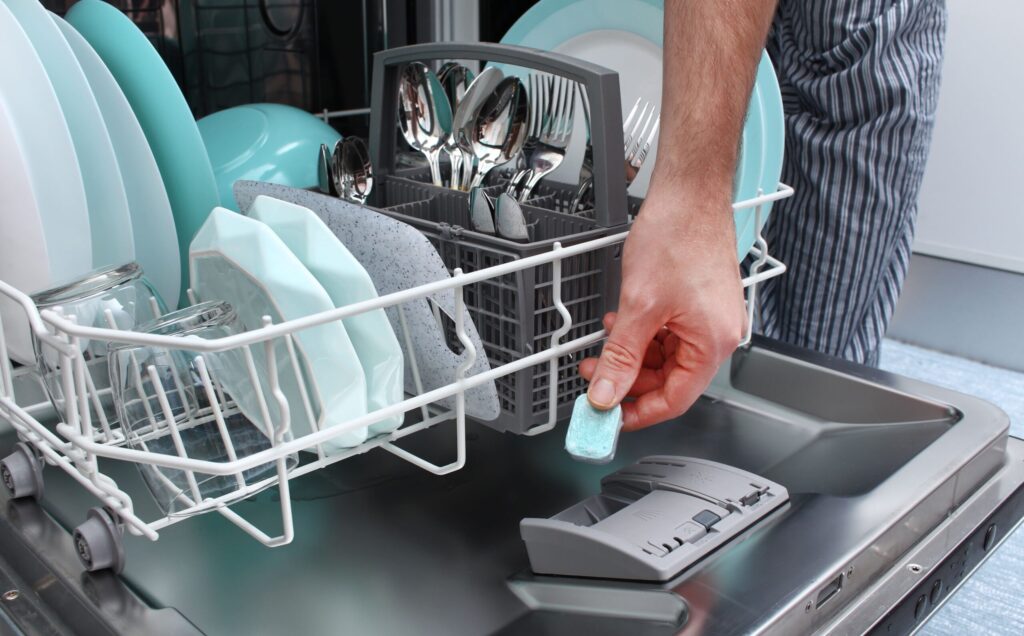
Second, use the right detergent and rinse aid. Detergent pods or quality powders are generally better than gels, which can build up gummy residue. Rinse aid is mandatory for drying in most new machines. It breaks the surface tension of the water, allowing it to sheet off dishes and preventing spots.
Third, inspect the spray arms. Check the holes in the spray arms for blockage. Seeds, glass shards, or bits of paper labels can get stuck in the jets. You can use a toothpick to clear them. Also, ensure the arms spin freely before every load.
Fourth, do not pre-wash dishes too aggressively. Modern enzymes in detergent need some food soil to activate. Scrape off the big chunks, but leave the sauce. If the dishes are perfectly clean going in, the detergent can etch your glassware.
Finally, run a cleaning cycle once a month. Use a commercial dishwasher cleaner or a cup of white vinegar placed in a bowl on the top rack. This helps remove lime scale and grease from the internal pipes and pump housing. This is especially helpful in older homes in the area that may have older galvanized pipes contributing to sediment.
Service Area for Dishwasher Repair in and Around Wilmington, Massachusetts
We are proud to be a local service provider focused on Wilmington and the neighboring towns in Middlesex and Essex counties. We know the local roads and neighborhoods, allowing us to provide timely service to our community. Our technicians are frequently in the area, making it easy for us to schedule a visit to your home.
- Wilmington
- Tewksbury
- Reading
- North Reading
- Andover
- North Andover
- Wakefield
- Burlington
- Woburn
- Billerica
Zip codes we serve: 01887
Frequently Asked Questions
How long does a typical dishwasher repair appointment take?
Most appointments are completed within one to two hours. Our goal is to diagnose the issue quickly and perform the repair in a single visit whenever possible. We carry a stock of common parts in our vehicles to facilitate this. If a specific part needs to be ordered, we will give you a clear timeline for the return visit. We value your time and work efficiently to get your kitchen back in order.
Is it worth repairing a dishwasher that is over 10 years old?
This depends on the condition of the unit and the nature of the failure. If the machine has a stainless steel tub and the repair is minor, it is often worth keeping. However, if the unit is over 10 years old and requires a major component like a main motor or control board, replacement might be a more prudent choice. We provide an honest assessment of the overall health of the machine so you can make the right financial decision.
Why is my dishwasher leaving a white film on my glasses?
White film is usually caused by hard water minerals or excess phosphate free detergent. It indicates that the water is not softening the detergent properly or that the rinse cycle is not effective. In our area, water hardness levels can fluctuate. We recommend using a high quality rinse aid and checking that your water inlet valve is allowing enough water into the tub to dilute the soap fully.
Do you have a dishwasher repair tech near me?
Yes, we have technicians working throughout Wilmington and the immediate surrounding towns daily. Because we focus on this local territory, we are never far away. This allows us to offer flexible scheduling and prompt response times for homeowners in our service area.
What should I do before the technician arrives?
Please ensure there is a clear path to the dishwasher. If the dishwasher is full of dishes, it is helpful to unload them if possible, as we often need to remove the racks to access the pump or filters. If the unit is full of water that will not drain, you can leave it as is; we have wet vacuums to handle the water safely during the repair.
Can you fix a dishwasher that is leaking from the door?
Yes, door leaks are a very common repair. They are often caused by a worn gasket, a loose hinge, or a misalignment of the door. Sometimes, it is as simple as a lower spray arm that has cracked and is spraying water directly at the seal. We can identify the exact cause and replace the necessary seals or components to stop the leak.
Why does my dishwasher smell like burning plastic?
A burning smell is serious and you should stop the machine immediately. It typically indicates that a wire connection is overheating, the control board is shorting out, or a plastic item has fallen onto the heating element at the bottom of the tub. We can safely inspect the wiring and the heater to determine the source of the odor and ensure the unit is safe to use.
Do you service high end brands like Bosch and Miele?
Yes, we service premium brands including Bosch, Thermador, and others. These units require specialized knowledge regarding their unique filtration and water heating systems. Our technicians are familiar with the disassembly and diagnostic procedures required for these high performance European models.
My dishwasher runs but the soap dispenser never opens. Can you fix that?
Absolutely. The soap dispenser is triggered by a wax motor or solenoid during a specific time in the wash cycle. If this component fails, or if the spring mechanism breaks, the door will stay shut. We can replace the dispenser assembly or the actuator to ensure your soap is released at the right time for clean dishes.
Why is there water left in the bottom of my dishwasher?
A small amount of water in the sump (the very bottom pit) is normal to keep seals moist. However, water covering the filter or standing in the tub indicates a drainage failure. This could be a blocked pump, a clogged drain hose, or a failed drain motor. We can clear the blockage or replace the pump to restore proper drainage.
Conclusion
At Appliance Repair Pros, we are dedicated to solving your dishwasher problems with skill and integrity. We handle everything from complex electrical diagnostics to resolving plumbing leaks and drainage issues. Serving Wilmington and the nearby communities, we strive to be the local resource you can trust for honest advice and reliable repairs. We treat your home with respect and your appliance with care, ensuring that you can get back to your routine without the hassle of hand washing dishes. If you are experiencing issues with your dishwasher, do not let the problem linger.
Reach out to us for assistance.